
 EN
EN



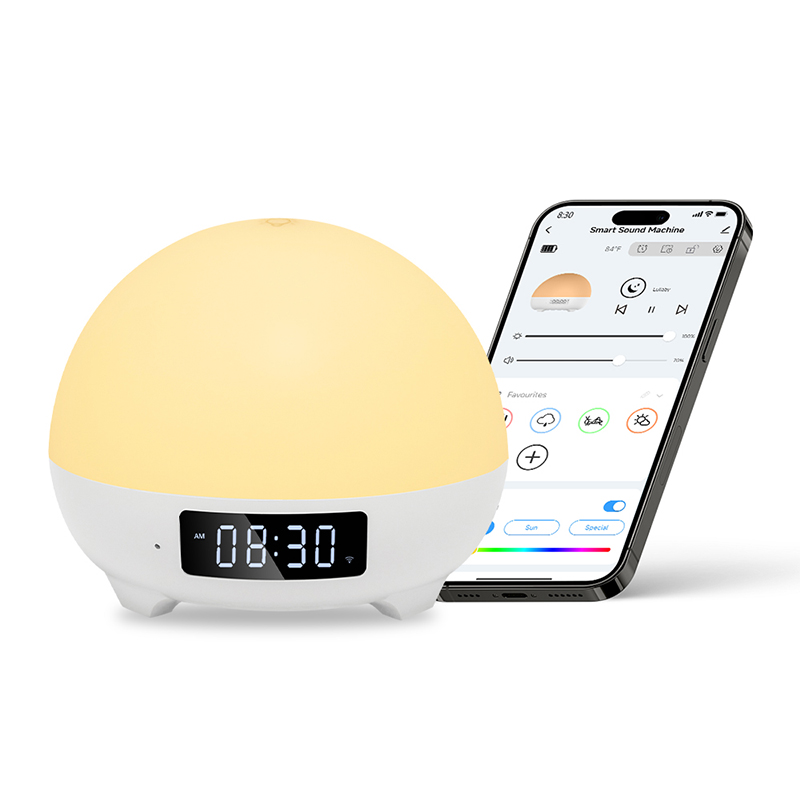
The Physiological Trap of Stress-Induced Insomnia
For many high-achieving professionals and busy individuals navigating today's intense world, the frustrating inability to fall asleep is not necessarily a primary health disorder, but rather a direct, predictable physiological consequence of chronic, lingering stress. When the mind remains locked in a high-alert, "fight-or-flight" state long after the workday concludes, the body continues to pump out cortisol and adrenaline at levels that are detrimental to rest. This creates a deeply frustrating physiological "trap": the nervous system is primed for urgent action while the quiet environment demands deep, rejuvenating sleep. Stress-induced insomnia thrives on this cognitive dissonance, where a racing mind persistently prevents the brain from naturally descending into those crucial, early stages of sleep. Traditional, often desperate attempts to force sleep through sheer willpower or basic, generic relaxation techniques frequently fail because they do not adequately address the underlying biological signals of arousal. Sleep therapy devices offer a sophisticated, highly effective, and non-pharmacological intervention by providing steady, calming external cues that effectively override this heightened, stressful physiological state.
How Sleep Therapy Devices Rewire the Nervous System
The true, underlying efficacy of modern sleep therapy devices lies in their unique ability to interact directly and gently with the autonomic nervous system. Rather than attempting to "calm" a chaotic mind through vague or abstract advice, these smart devices utilize precisely calibrated, rhythmic stimulation—such as soft, pulsing light patterns, soothing haptic pulses, or specific, low-frequency soundscapes—to induce a state of parasympathetic dominance. By encouraging the user to naturally synchronize their erratic breathing or wandering attention with an external, steady, and calibrated rhythm, the brain is successfully forced to exit the stubborn sympathetic "fight-or-flight" loop. This process of neurological entrainment is not merely soothing; it is a genuine, evidence-based intervention that actively lowers heart rate variability and slows down rapid brainwave activity, facilitating a much smoother, more natural transition into sleep onset without the friction typically caused by overwhelming daily stress.
The Role of Habit and Cognitive Conditioning
A major, often overlooked challenge for those dealing with stress-related sleep issues is the blurring of boundaries between "intense work mode" and "deep sleep mode." Many individuals suffer from a form of conditioned insomnia, where the bedroom itself has gradually become associated with stress, worry, and ruminative thought rather than rest. Sleep therapy devices act as a powerful, grounding cognitive anchor in this mental confusion. By initiating the exact same sequence of relaxing sensory signals every single night, the user builds a strong, Pavlovian response where the brain quickly learns to associate the device with the immediate, welcoming onset of sleep. This ritualized behavior creates a clean, psychological break from the persistent stressors of the day. Over time, the device acts as a reliable, psychological "off switch," helping the brain disengage from ruminative, looping thought cycles and signaling clearly that the day’s responsibilities have finally concluded.
Evidence-Based Benefits Over Pharmaceutical Alternatives
While medication is often the first, most common resort for chronic insomnia, it frequently comes with significant, life-impacting drawbacks, such as lingering daytime grogginess, hormonal interference, and the very real risk of psychological or physical dependency. Stress-induced insomnia, in particular, requires a thoughtful solution that treats the root cause rather than just masking the uncomfortable symptoms. Sleep therapy devices are fundamentally different in their approach; they actively facilitate the body’s innate, natural ability to fall asleep rather than forcing a temporary chemical sedation. By training the brain to reach deep-sleep states independently, these devices provide a sustainable, long-term path to health. This approach is highly valued in clinical settings, as it empowers the individual to maintain their cognitive sharpness throughout the day while ensuring that their sleep architecture remains natural, uninterrupted, and genuinely restorative.
Achieving Daytime Restoration through Targeted Nightly Support
The cascading impact of effective sleep therapy creates a positive, self-reinforcing feedback loop that transforms daily life. Consistent, deep sleep is the body’s primary, essential mechanism for clearing the metabolic waste accumulated during a stressful, demanding day. When an individual achieves consistent, deep sleep via the help of a therapy device, their cortisol regulation improves dramatically, leading to higher emotional resilience, better mood, and increased productivity the following day. Reduced daytime stress, in turn, makes it much easier to fall asleep the next night, effectively breaking the stubborn cycle of insomnia once and for all. This transformation is not just a temporary change in energy levels; it is a fundamental, structural shift in how the nervous system manages external pressure, turning the sleep device into an essential tool for high-performance living and holistic, long-term well-being.
Engineering Quality and Industrial Reliability
For advanced health and wellness technology, the critical bridge between an innovative design and a truly life-changing product is the underlying quality of manufacturing. Absolute reliability is paramount—a sleep therapy device must perform consistently and perfectly every single night to build the deep psychological trust required for effective cognitive conditioning. DWRL Factory has built an international reputation based on the precision engineering of sensitive electronic components, ensuring that every light pulse, haptic vibration, and sound wave produced is accurate, stable, and dependable. A robust supply chain and rigorous, multi-stage quality-testing protocols ensure that each unit is built for long-term durability and industrial-grade stability. For organizations and individuals seeking to integrate high-quality, professional sleep technology into their lives, partnering with a manufacturer like DWRL Factory guarantees that the technology is not just an innovative idea, but a durable, industrial-grade reality designed to support health for many years to come.
Table of Contents
- The Physiological Trap of Stress-Induced Insomnia
- How Sleep Therapy Devices Rewire the Nervous System
- The Role of Habit and Cognitive Conditioning
- Evidence-Based Benefits Over Pharmaceutical Alternatives
- Achieving Daytime Restoration through Targeted Nightly Support
- Engineering Quality and Industrial Reliability