
 EN
EN



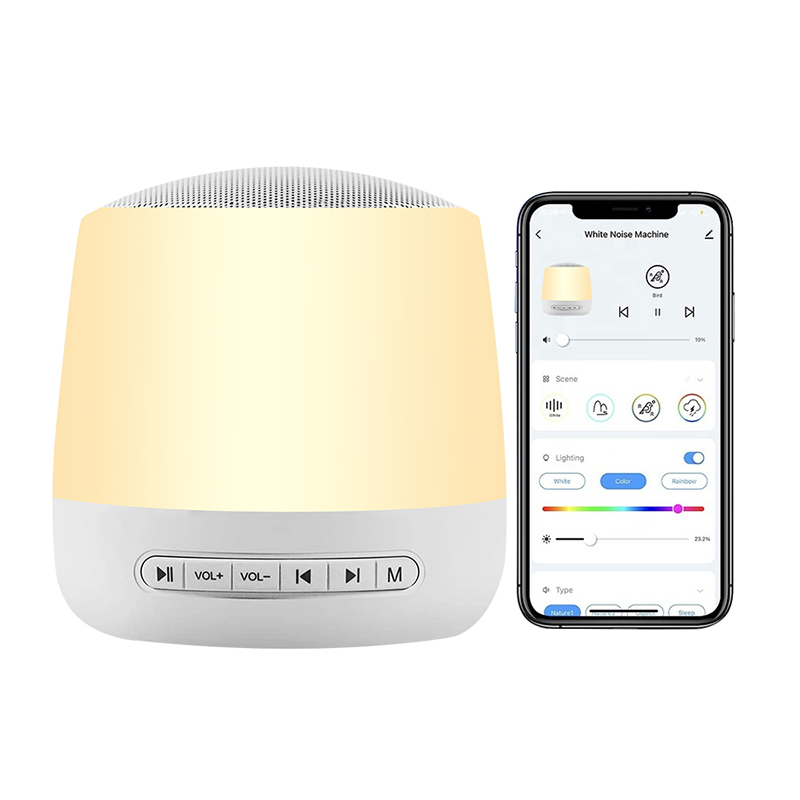
Anxiety at bedtime is not a personal weakness—it is a neurological pattern. The moment your head hits the pillow, the brain's default mode network activates, replaying unfinished tasks, social interactions, and hypothetical worries. For millions of people around the world, this nightly mental chatter erodes both the quality and duration of sleep. White noise sleep devices have emerged as one of the most clinically supported and practically accessible tools for breaking this cycle.
Understanding the Anxiety–Sleep Loop
Sleep anxiety and poor sleep form a reinforcing loop. Anxiety triggers heightened cortisol and adrenaline, which keep the nervous system alert even when the body is physically exhausted. Inadequate sleep, in turn, amplifies emotional reactivity and worry the following day. According to data from the American Sleep Association, approximately 30% of adults report short-term insomnia symptoms, and anxiety is consistently listed among the primary causes.
What makes this loop difficult to interrupt is that most remedies target either the body or the mind in isolation. Breathing exercises calm the nervous system but require active effort. Sleep medications carry dependency risks and often suppress REM sleep. White noise, by contrast, works on the auditory cortex in a way that requires no deliberate mental engagement—making it uniquely suited for pre-sleep anxiety.
How White Noise Works Neurologically
The brain does not simply "turn off" during sleep transitions. It continues to monitor the auditory environment for potential threats—a survival mechanism that evolved long before bedrooms existed. Any sudden sound change, whether a car passing outside or a door creaking, triggers a micro-arousal response that can prevent or interrupt sleep.
White noise addresses this by creating a consistent broadband sound spectrum. Because it contains all audible frequencies played at roughly equal intensity, it effectively raises the baseline noise floor. This means that sudden intrusive sounds—the neighbors' conversation, a barking dog, a notification ping—are acoustically masked rather than standing out as contrast events.
More importantly for anxiety sufferers, this acoustic constancy signals to the threat-monitoring circuits of the brain that the environment is stable. There is nothing to react to. The sustained, predictable signal acts as a kind of auditory reassurance, allowing the prefrontal cortex to de-escalate its vigilance and ease the transition into sleep.
Sound Variety and the Modern Sleep Device
Early white noise machines were essentially single-function fans or static generators. Today's devices—including the advanced sleep instruments developed by manufacturers like DWELL—offer 20, 30, or even 34 different soothing sounds, allowing users to find the frequency texture that resonates best with their nervous system.
Clinical literature suggests that preferences vary significantly by individual. Some people respond best to pure white noise; others find "pink noise"—which emphasizes lower frequencies—more soothing. Nature sounds like rain, ocean waves, and forest ambience combine masking properties with psychological associations of safety and calm. Having access to a broad sound library allows each user to identify their optimal soundscape rather than settling for a one-size-fits-all default.
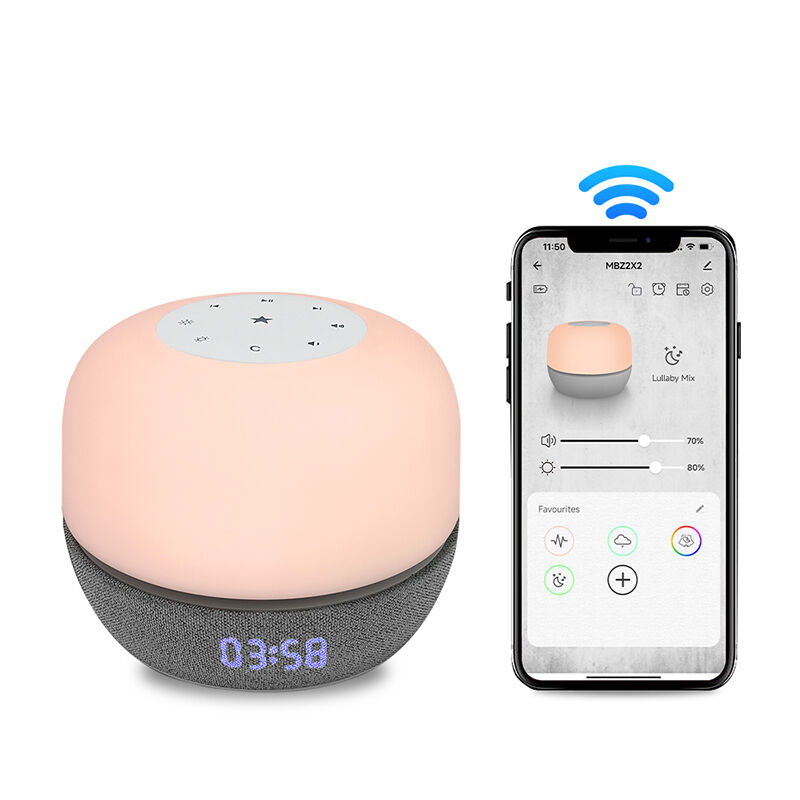
Modern devices also integrate features that directly address bedtime anxiety patterns. Soft night lights with adjustable color temperatures support the body's natural melatonin production, which bright overhead lighting actively suppresses. Auto-off timers allow users to fall asleep without worrying about device management—a small but meaningful removal of a potential anxiety trigger. Some app-connected models even allow sleep schedules to be programmed in advance, removing decision-making from the bedtime routine entirely.
Practical Applications for Different Anxiety Profiles
For people who experience general restlessness at bedtime, a mid-volume white or pink noise setting paired with a warm amber night light creates an immediate sensory transition—a signal to the nervous system that the active phase of the day is over.
For those with hypervigilance, particularly light sleepers who wake at every household sound, the masking function of white noise is the primary benefit. A consistent broadband signal set at around 50–60 decibels (roughly the level of a normal conversation) is sufficient to mask most ambient disturbances without being intrusive itself.
For new parents managing infant sleep alongside their own fatigue and anxiety, smart white noise devices with cry-detection sensors offer an additional layer of automation. When the sensor detects a baby's cry, the device can automatically increase volume or switch sound profiles—allowing parents to set up the environment once and sleep with greater confidence.
Building a Sleep Ritual Around Sound
The most effective use of white noise devices is not as a single-night fix but as a component of a consistent sleep ritual. Behavioral sleep medicine research consistently shows that the brain responds to repeated cues. When the same sound, light level, and room temperature precede sleep night after night, the association becomes neurologically reinforced. The sound itself eventually triggers drowsiness—a conditioned response that makes falling asleep faster and more reliable over time.
Start the device 20–30 minutes before your intended sleep time. Dim any screens or lights simultaneously. Keep the routine consistent, even on weekends. Within two to three weeks, most users report that the combination of sensory cues reliably reduces pre-sleep anxiety and shortens sleep onset time.
Conclusion
White noise sleep devices work because they address the neurological roots of bedtime anxiety rather than simply masking its symptoms. By creating a stable acoustic environment, they reduce the brain's threat-monitoring activity, block intrusive sounds, and build powerful sleep associations over time. For anyone navigating the anxiety–sleep cycle, a well-designed sleep sound machine—particularly one with diverse sound options, smart connectivity, and thoughtful lighting features—represents one of the most evidence-aligned investments in sleep quality available today. Explore the full range of sleep instruments at dwrlfactory.com to find the solution that fits your lifestyle.