
 EN
EN



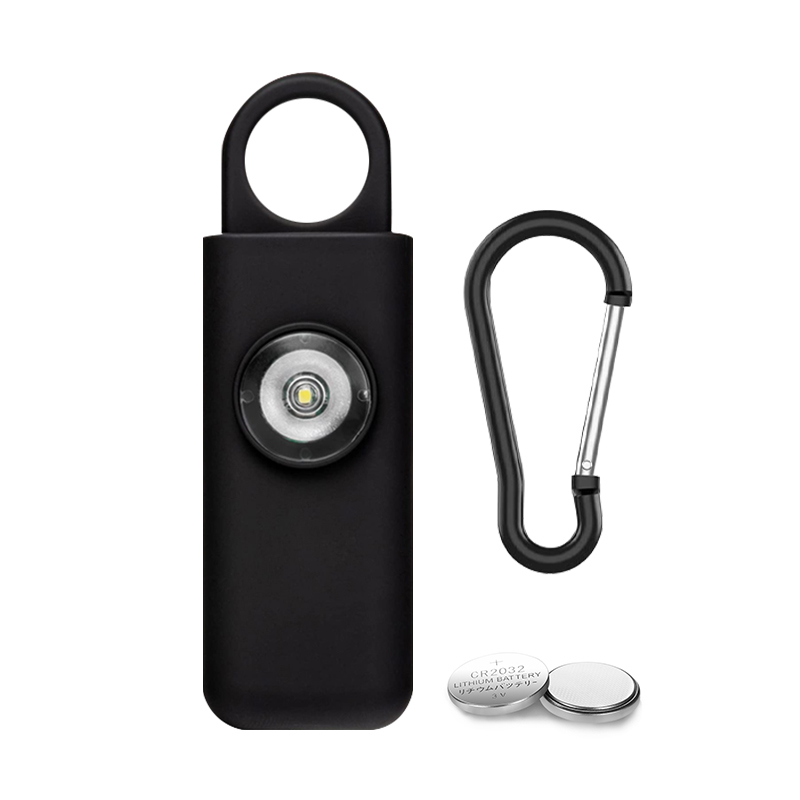
The first generation of personal alarms was defined by a single functional goal: produce a loud sound when activated. That goal was met effectively—modern 130dB devices achieve sound levels that can cause hearing discomfort in an attacker at close range and carry over impressive distances outdoors. But loudness alone does not constitute safety. The evolution of SOS personal alarm design toward more humanized functionality reflects a deeper understanding of who uses these devices, how emergencies actually unfold, and what users genuinely need when a threat materializes.
The Limits of "Loud and Simple"
A personal alarm that only produces sound creates a narrow response window. If no one is within hearing range, the alarm is ineffective. If the user cannot physically hold down a button—due to injury, struggle, or shock—the device fails at the moment of greatest need. If the user's location is unknown to potential responders, the sound draws attention but offers no actionable information.
These limitations were acceptable when personal alarms were primarily considered a last-resort deterrent for close-proximity threats. As the understanding of personal safety scenarios has broadened—from urban violence to medical emergencies, from child protection to elderly fall response—the inadequacy of pure acoustic devices became clear. The engineering response has been to layer humanized functions onto the acoustic core without sacrificing the fundamental simplicity that makes the device usable under stress.
One-Gesture Activation: Designing for Panic
Perhaps the most humanized development in modern SOS alarm design is the extensive attention paid to activation ergonomics. Human stress response research documents a significant degradation in fine motor control under acute fear. Buttons that require precise positioning, sequence inputs, or sustained pressure become unusable in the exact moments when use is most critical.
The pull-pin mechanism—a design borrowed from military grenade design—addresses this by requiring only a gross motor motion: pull. The pin can be attached to a belt loop, backpack strap, or clothing with a short tether, so that if a user is grabbed or pulled away, the alarm activates automatically. This passive activation capability transforms the device from something the user must deliberately operate to something that can work even when the user cannot.
Single large-button designs with low actuation force provide an alternative for users who find pull-pin mechanisms impractical. Wristband-format devices take this further, incorporating recessed or protected button designs that prevent accidental activation while allowing deliberate triggering with any part of the hand or even against a surface.
Automatic GPS Location Transmission
The integration of GPS and cellular connectivity into personal alarms represents the most significant functional expansion in the device category's history. When an SOS is triggered, the latest devices do not simply alarm—they act. Within seconds, they transmit the user's precise GPS coordinates to pre-programmed emergency contacts as a clickable SMS link. The user's location is known, even if she cannot speak.
This feature is particularly valuable in scenarios where the user is incapacitated—an elderly person who has fallen, a child who is lost, or a person who has been physically harmed and cannot make a phone call. The device acts as an agent on the user's behalf, providing location information that would otherwise require verbal communication.
Some models extend this further with continuous location tracking that updates contacts at intervals, allowing responders to follow the user's movement trajectory rather than responding to a single static coordinate. This is critical in scenarios involving abduction or forced movement.
Two-Way Voice Communication
The evolution from "alarm" to "communication device" is complete in the most advanced SOS personal alarms. After triggering, the device can automatically call programmed emergency contacts, enabling voice communication. This transforms the personal alarm into a lifeline that bridges the user to known, trusted people even when accessing a phone is impossible.
For elderly users especially, the voice call function provides reassurance in both directions. The user can hear a familiar voice, which has documented calming effects during medical emergencies. The contact can assess the situation, provide verbal guidance, and direct emergency services if needed—turning a passive alert into an active conversation.
Night Light and Visual Signaling
Darkness is a consistent factor in personal safety scenarios—both as a condition that elevates risk and as a constraint that limits the effectiveness of traditional responses. High-intensity LED strobe integration in modern SOS alarms serves multiple humanized functions.
As a deterrent, bright strobing light is disorienting in low-visibility conditions and signals active distress to bystanders. As a beacon, it allows rescue responders to visually locate the user when sound alone might be obscured by distance or ambient noise. For nighttime running and commuting, the same LED serves as a practical safety light that improves the user's visibility to vehicles.
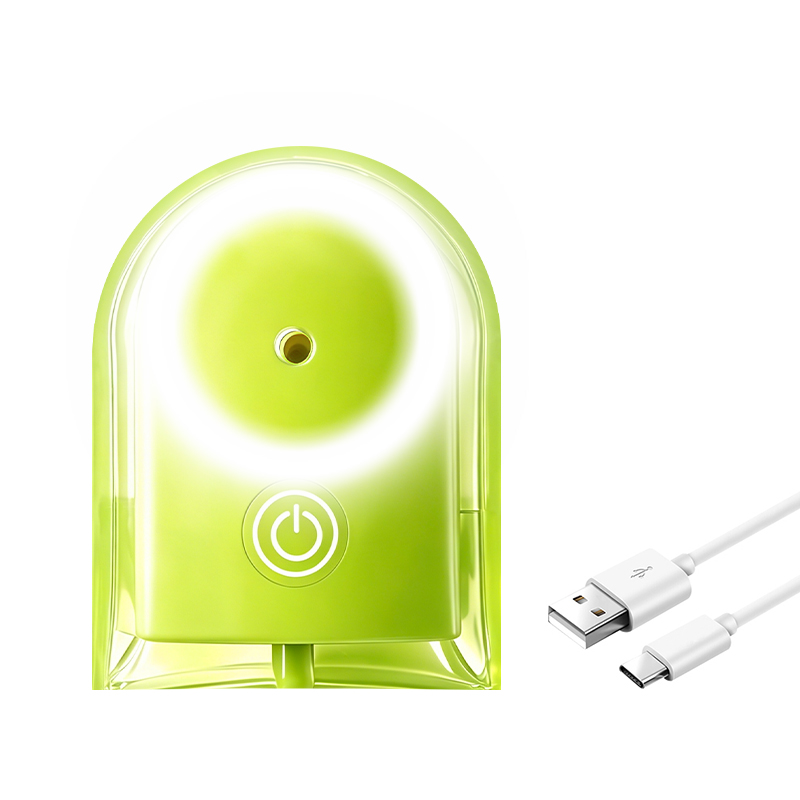
The softer night light function found on many current devices also humanizes the bedtime anxiety application—a non-emergency use case where the device serves as a gentle, non-threatening light source rather than a crisis tool.
Wearable and Low-Profile Design
The most humanized feature of modern SOS alarms may be the one least discussed: the design effort to make them compatible with real daily life. A personal alarm that sits unused in a drawer because it is too bulky, too conspicuous, or too awkward to carry is a safety device that has failed its purpose.
Contemporary designs address this through miniaturization, aesthetic consideration, and format diversity. Wristband alarms integrate with daily wear as fitness-adjacent accessories. Keychain formats attach to bags and keys without adding perceptible weight. Clip-on designs with magnetic attachment allow placement on clothing waistbands, backpack straps, or collar attachments that keep the device instantly accessible.
Some manufacturers have worked to make personal alarms aesthetically neutral or even fashionable—understanding that women are more likely to carry a device that does not signal vulnerability or call attention to itself in social contexts.
The Manufacturing Philosophy Behind Humanized Design
The shift toward humanized SOS alarm functionality requires more than engineering expertise—it requires empathy with the user's experience. Manufacturers like DWELL, who focus specifically on women's safety products and maintain dedicated design teams, approach product development from a user research foundation. Understanding who activates an alarm, under what circumstances, with what emotional and physical state, and with what surrounding context drives design decisions that pure technical optimization would miss.
The result is a product category that has quietly become one of the most sophisticated in consumer electronics—combining satellite navigation, cellular communication, acoustic physics, materials science, and behavioral psychology into a device that weighs less than a set of keys. Explore DWELL's full SOS personal alarm range at dwrlfactory.com.