 ×
×
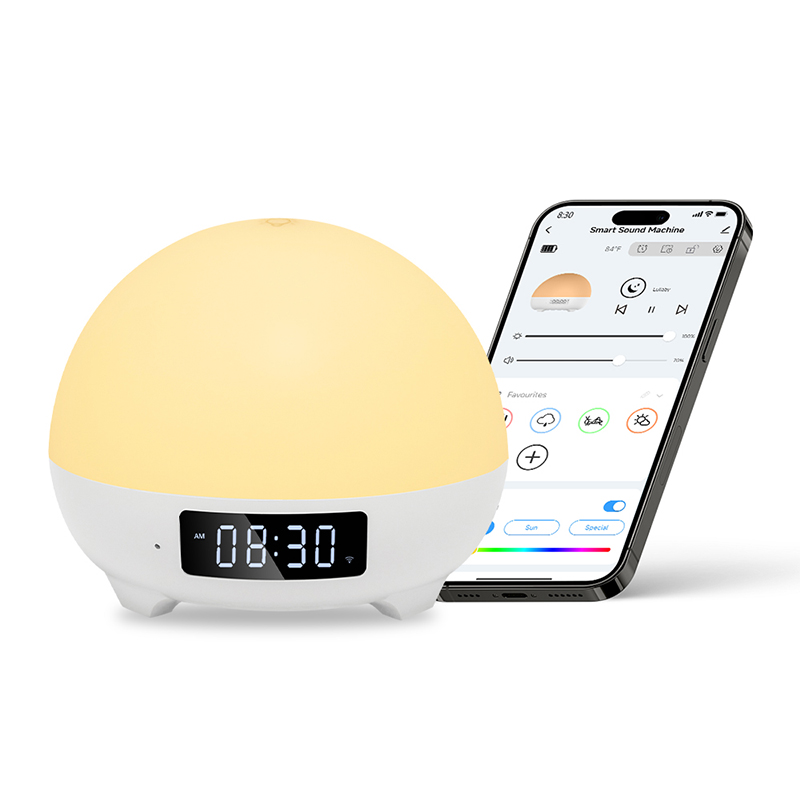
The Physiological Trap of Stress-Induced Insomnia For many high-achieving professionals and busy individuals navigating today's intense world, the frustrating inability to fall asleep is not necessarily a primary health disorder, but rather a direc...
VIEW MORE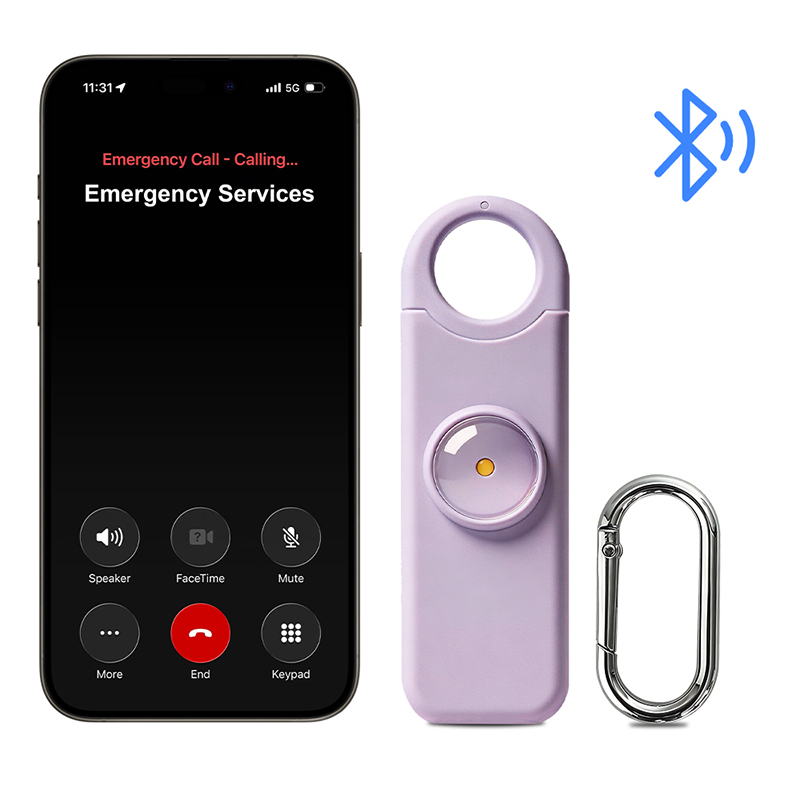
The Hidden Necessity of Nighttime Vigilance In our modern, fast-paced world, the transition from daylight hours to late night often signals a shift from structured public activity to a time of reduced surveillance and increased personal vulnerabili...
VIEW MORE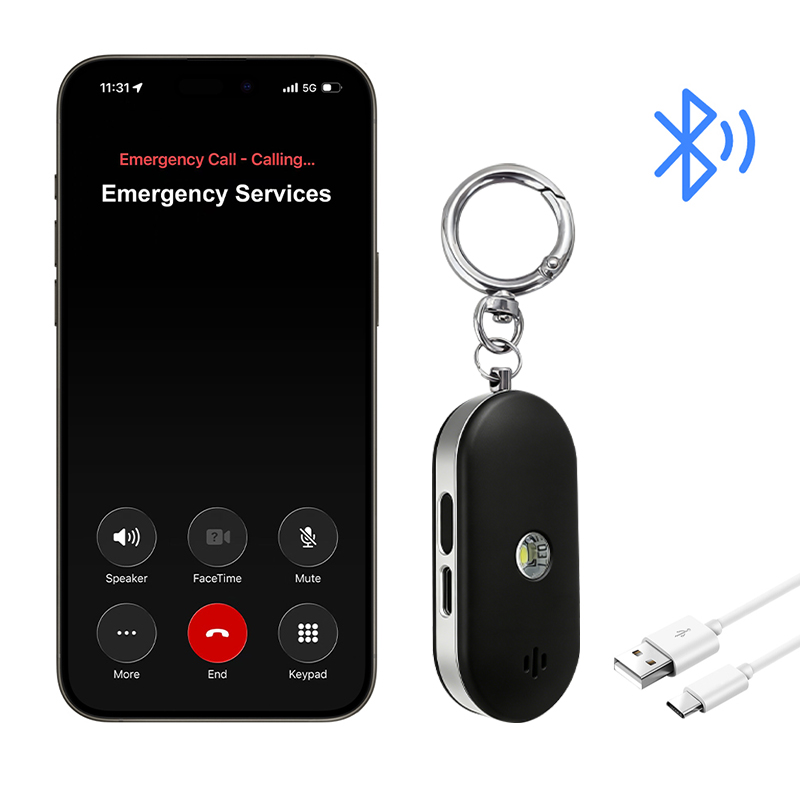
Bridging the Gap with Modern Technology In an era where personal independence is highly valued, families often struggle to find the perfect balance between granting autonomy to vulnerable loved ones—such as aging parents, adventurous children...
VIEW MORE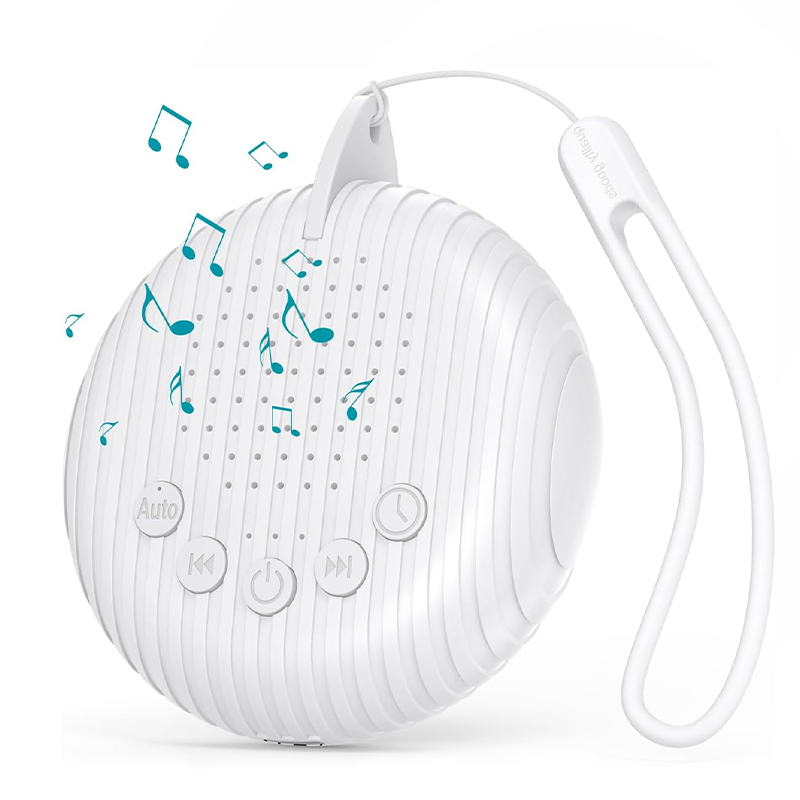
Addressing the Global Sleep Crisis In an increasingly frantic and connected world, achieving high-quality, restorative sleep has become more of a luxury than a guaranteed nightly routine. Millions of people across the globe struggle night after nig...
VIEW MORE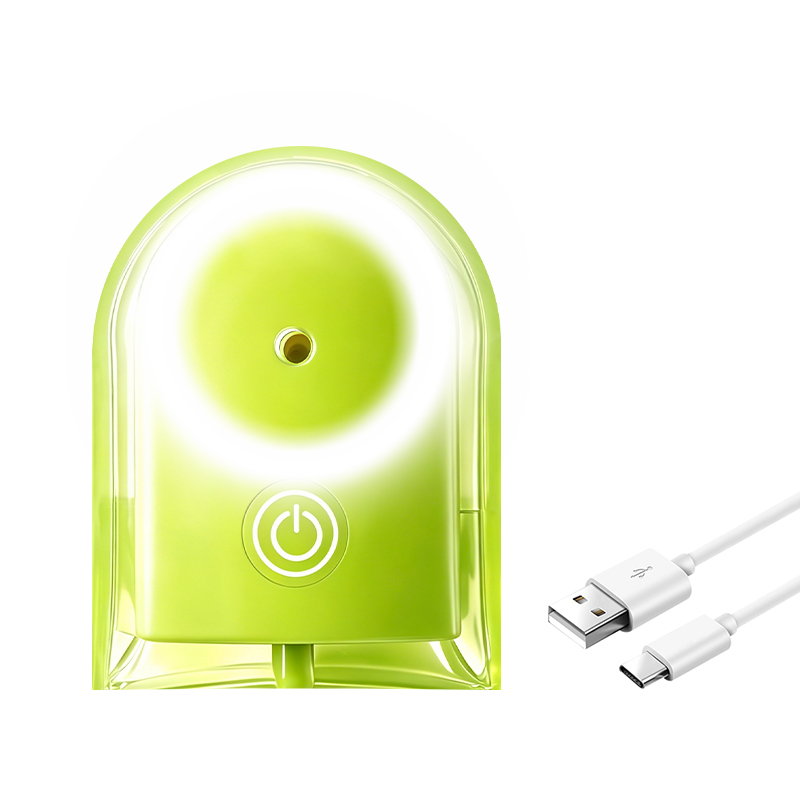
The Reality of Night Shift Vulnerability Working the night shift—whether in healthcare, logistics, manufacturing, or retail—is an essential role in the modern economy, yet it often comes with heightened security concerns that day worker...
VIEW MORE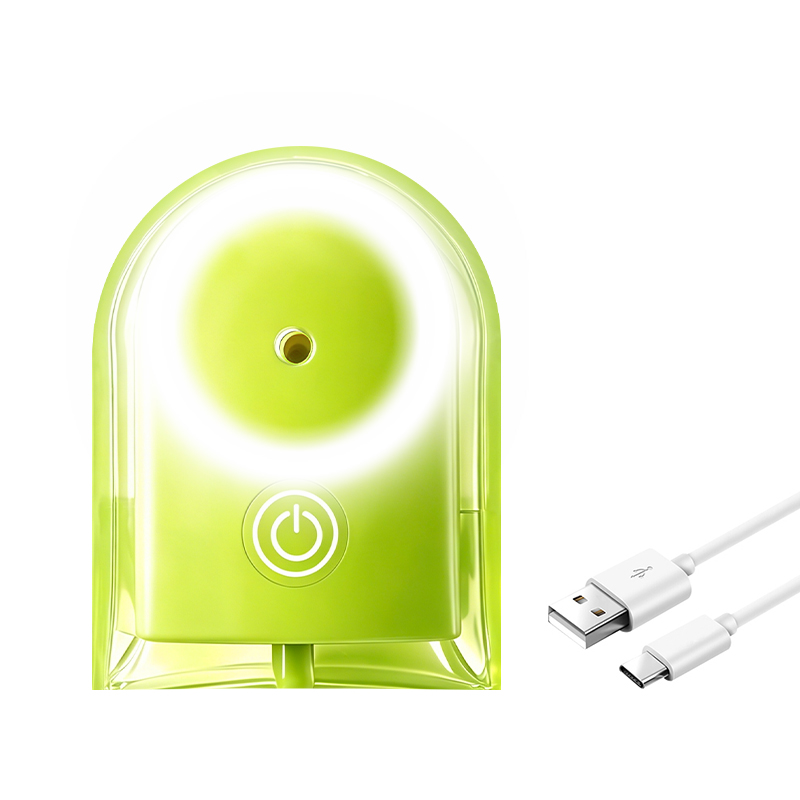
Personal safety technology evolves rapidly. Devices that were considered advanced five years ago are now standard commodity items, and the pace of innovation shows no sign of slowing. Against this backdrop of continuous change, one specification ha...
VIEW MORE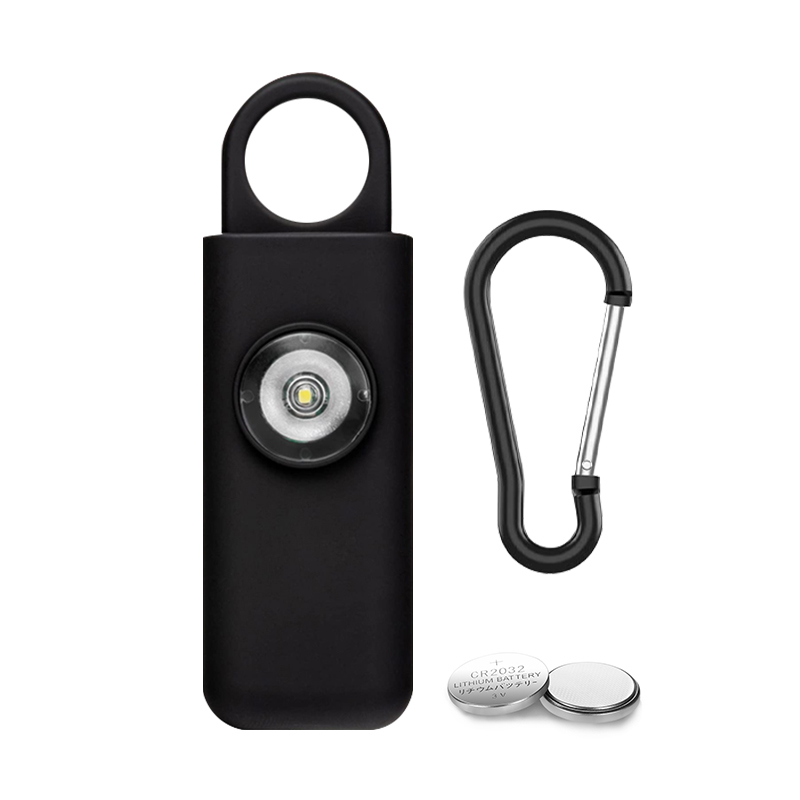
The first generation of personal alarms was defined by a single functional goal: produce a loud sound when activated. That goal was met effectively—modern 130dB devices achieve sound levels that can cause hearing discomfort in an attacker at ...
VIEW MORE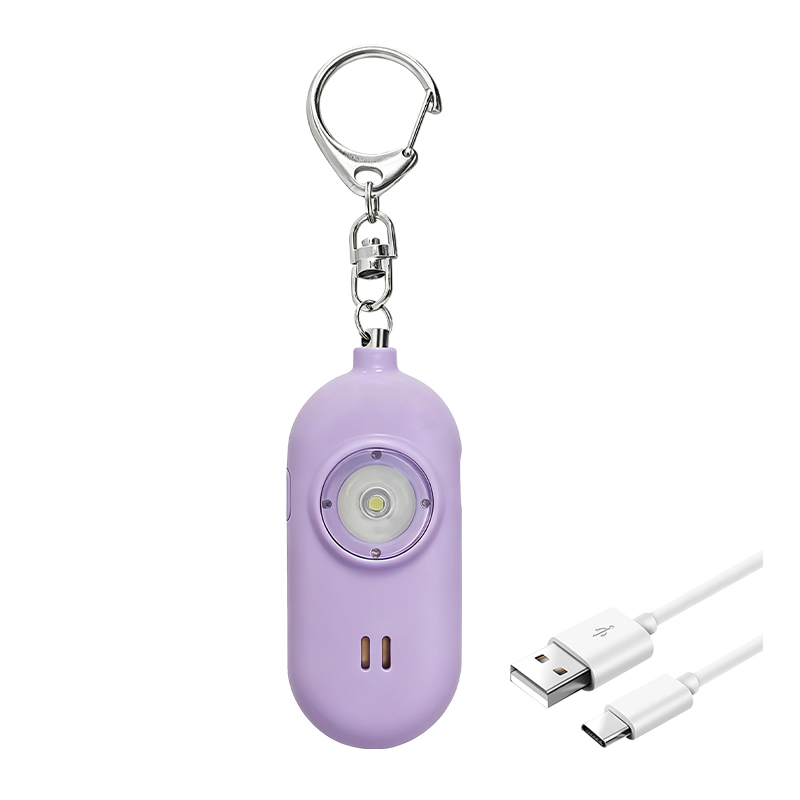
Personal alarms for women are not a monolithic category. The device that makes sense for a college student walking back to a dormitory late at night is a fundamentally different product from the one needed by a solo female traveler navigating unfam...
VIEW MORE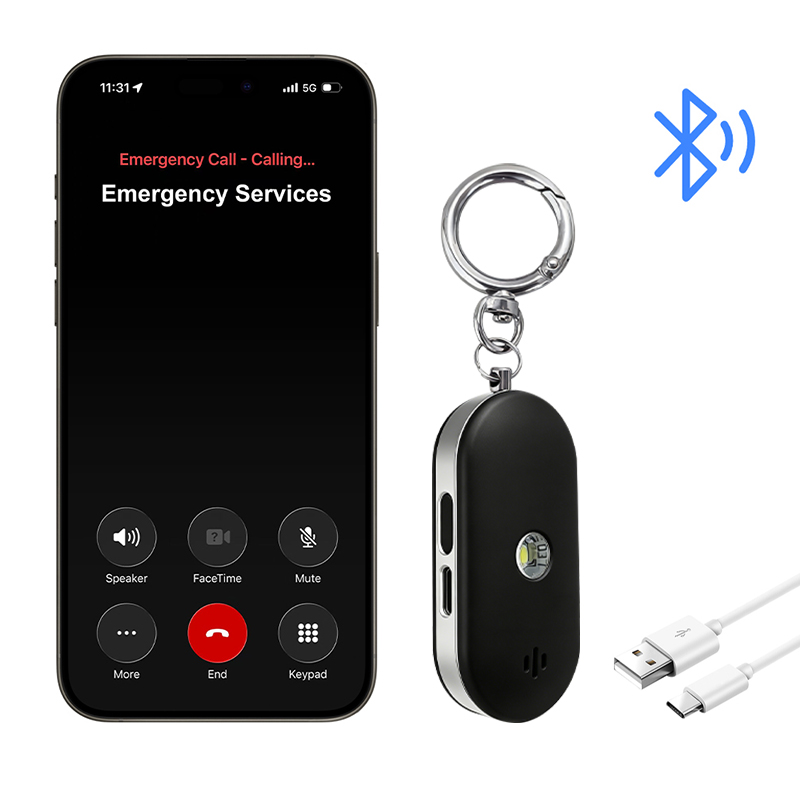
Personal alarm technology has crossed a significant threshold in recent years. What was once a simple piezoelectric buzzer producing a loud sound has evolved into a networked safety platform that combines multiple positioning systems, real-time com...
VIEW MORE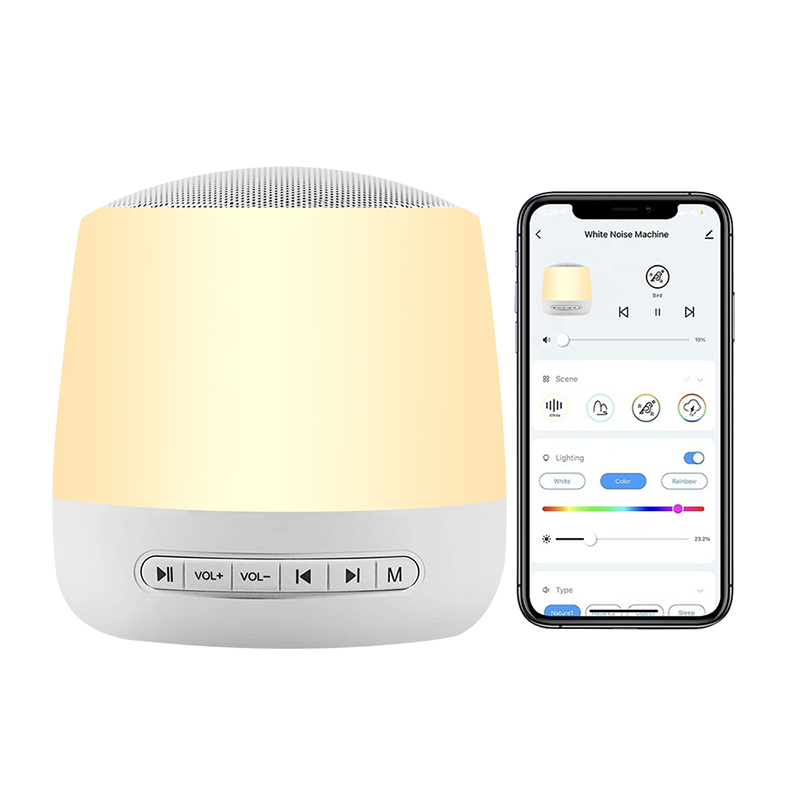
Anxiety at bedtime is not a personal weakness—it is a neurological pattern. The moment your head hits the pillow, the brain's default mode network activates, replaying unfinished tasks, social interactions, and hypothetical worries. For milli...
VIEW MORE
SHENZHEN DWELL CO., LTD provides custom personal safety products OEM & ODM services for global brands. Our women's safety devices feature innovative design, strict QC (<0.3% defect), and smart lifestyle integration. Trusted by 50+ partners. Request a quote today.
A053, 4F, Fuji Park Building, Buji Road, Dongxiao Street, Luohu District, Shenzhen
Copyright © 2026 by SHENZHEN DWELL CO., LTD Privacy Policy

 EN
EN

